
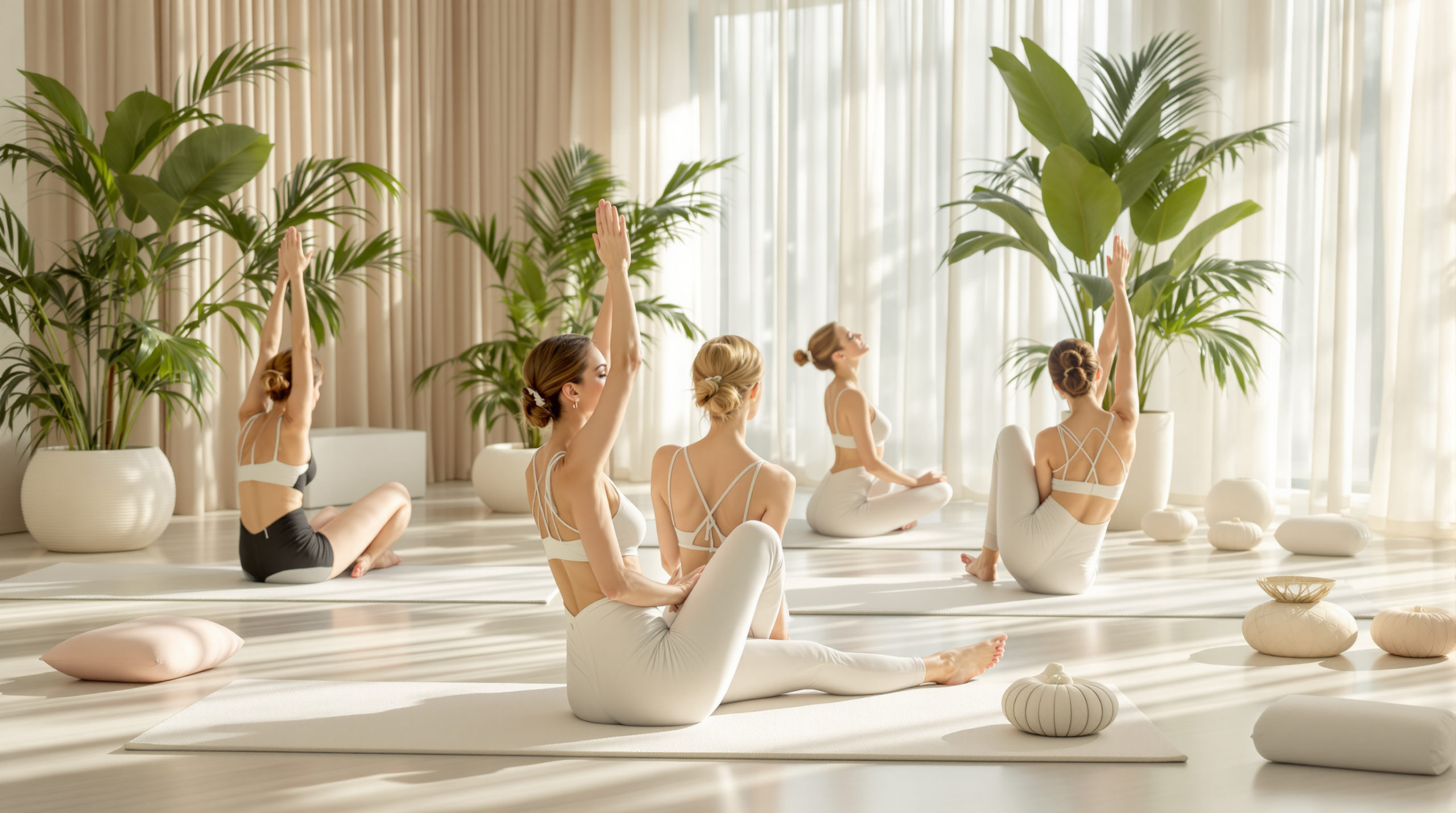
Beginner’s Guide: 7 Steps to Start Yoga & Pilates with Confidence 2025
Yoga and Pilates offer dynamic pathways to enhance your body, mind, and overall well-being. For beginners, stepping into these transformative practices can be both exciting and intimidating. This guide, “Beginner’s Guide: 7 Steps to Start Yoga & Pilates with Confidence 2025,” is designed to help you embark on your yoga and Pilates journey with clarity and assurance. Whether you’re seeking to improve flexibility, gain strength, or find a new way to relax, this guide will equip you with the knowledge and confidence to start your journey on the right foot.
Summary
• Understanding Yoga and Pilates
• Setting Realistic Goals
• Choosing the Right Class
• Gathering Essential Equipment
• Developing a Consistent Routine
• Connecting with Communities
• Tracking Progress and Adjustments
1. Understanding Yoga and Pilates
If you’re new to the world of yoga and Pilates, grasping their fundamental differences and benefits is the first step toward maximizing your experience. Yoga is an ancient practice involving meditation and poses designed to bring harmony between the mind, body, and spirit. There are various styles, such as Hatha, Vinyasa, and Ashtanga, each catering to different needs and preferences. For a detailed overview of different yoga styles, you can check this guide.
Pilates, on the other hand, is a body-conditioning routine that strengthens your core, aligns your posture, and improves muscle control. Created by Joseph Pilates in the early 20th century, this practice focuses on controlled, precise movements, often utilizing special equipment like reformers. Understanding these distinctions will aid you in selecting the practice that aligns with your goals, whether improving flexibility or enhancing mental focus.
2. Setting Realistic Goals
Embarking on your yoga and Pilates journey requires setting realistic and achievable goals. These goals can range from enhancing flexibility, relieving stress, or building a strong core. Tailoring your objectives to your personal aspirations is crucial. Begin by evaluating your physical health and lifestyle, which will provide a foundation for your practice.
If stress relief is your primary goal, incorporating mindful yoga practices like Yin Yoga can be beneficial. Alternatively, if building core strength is your aim, Pilates may be more suitable. Articulating clear, measurable goals helps you stay motivated and track your progress, making the journey both rewarding and intriguing. For a list of classes suitable for different neighborhoods and goals, visit our neighborhood guide.
3. Choosing the Right Class
Finding the right class tailored to your needs and skill level is paramount in establishing a fruitful practice. Begin by researching classes either in person or online, focusing on beginner-friendly sessions with certified instructors. Online platforms may offer flexibility, but in-person classes can provide valuable real-time feedback.
Also, consider factors like class size, instructor experience, and atmosphere. Many studios offer trial classes to give you a sense of their teaching style and environment. This opportunity allows you to experience the class dynamics firsthand and decide if it fits your comfort and learning preferences. By choosing the right class, you’ll set a supportive foundation for your yoga and Pilates journey, gradually building toward your goals.
4. Gathering Essential Equipment
Equipping yourself with the essentials can enhance your yoga and Pilates experience. For yoga, begin with a quality non-slip mat, blocks, straps, and comfortable attire that allows free movement. Pilates may require additional gear like a Pilates ring, resistance bands, and possibly access to a reformer for more intensive workouts.
Investing in the right equipment not only improves comfort and safety but also boosts your motivation. Begin with basic items and gradually expand your collection as you advance in your practice. Many retail websites and local studios offer bundles specific to beginners, saving you both time and money. Remember, while investing in equipment supports your practice, consistency and dedication in your sessions are paramount for success.
5. Developing a Consistent Routine
Establishing a consistent routine is crucial in transforming yoga and Pilates from a casual interest into a sustaining habit. Begin by setting aside regular practice times, whether daily, thrice a week, or whatever fits into your lifestyle. Consistency breeds familiarity and comfort with the poses and techniques, ultimately enhancing your proficiency.
Use tools and technology to aid in maintaining your schedule. Apps and wearables can provide reminders, track progress, and even suggest new techniques. More importantly, set a practice space at home that is quiet and inviting, encouraging regular practice and mindfulness. Consistent practice not only refines your skills but also fortifies your physical and mental resilience over time.
6. Connecting with Communities
Engaging with a community can greatly enhance your yoga and Pilates journey, offering support, shared experiences, and camaraderie. Whether it’s joining local classes, online forums, or social media groups, connecting with others fosters motivation and learning. These communities offer a platform for sharing challenges, accomplishments, and even arranging group practices or wellness retreats.
To further explore how to connect with others through wellness, consider attending events or retreats found on sites such as Luxury Wellness Retreats.
By building connections, you cultivate a rich environment for growth and encouragement, making your practice not just a personal journey but a shared adventure that contributes positively to your life and wellbeing.
7. Tracking Progress and Adjustments
To truly cultivate confidence in your yoga and Pilates journey, it’s essential to track your progress and make necessary adjustments. Start by maintaining a journal to log your practice sessions, noting improvements in flexibility, strength, and balance. Charts and photos can also be excellent ways to visually track your transformation over time.
Periodically review your goals and adjust them as your practice evolves, ensuring they remain challenging yet attainable. Feedback from instructors can provide insights into areas needing improvement or modification. Embrace these adjustments as positive steps towards reaching your wellness targets. This dynamic approach to your practice ensures that you remain engaged, inspired, and committed to your wellness path.
Conclusion
Starting your yoga and Pilates journey can be one of the most rewarding decisions you make for your physical and mental health. From understanding these disciplines to setting goals, choosing the right class, gathering equipment, building a routine, engaging with communities, and tracking progress—each step enhances your confidence and commitment. Whether you’re local to Geneva or exploring new locations, begin your journey with the trusted service of Swiss Lim Co by booking our Geneva Airport Transfer to ensure a seamless start to your wellness travels.
FAQ
Question: What is the main difference between yoga and Pilates?
Answer: Yoga focuses on the balance between mind, body, and spirit through poses and meditation, while Pilates emphasizes core strength and muscular balance.
Question: How often should beginners practice yoga or Pilates?
Answer: Beginners should aim to practice 2-3 times per week to build a solid foundation.
Question: How can I find local yoga and Pilates classes?
Answer: Research local studios online, check fitness apps, or explore community boards for beginner-friendly classes.
Question: What equipment do I need to start Pilates?
Answer: Starting Pilates requires a mat, and optionally resistance bands or a Pilates ring for deepening exercises.
Question: Can yoga and Pilates be practiced together?
Answer: Yes, practicing both can enhance flexibility, strength, and overall wellness by combining the benefits of each.
Question: How do I stay motivated in my practice?
Answer: Set clear goals, track your progress, and engage with a supportive community to remain motivated.
Question: What should I wear to my first class?
Answer: Wear comfortable clothing that allows for unrestricted movement, like leggings and a fitted top.
Question: Are yoga and Pilates suitable for all ages?
Answer: Yes, both practices can be adapted for different ages and fitness levels—consult with instructors regarding any specific needs.
Question: Can I practice yoga and Pilates at home?
Answer: Absolutely, online resources and apps provide a range of classes that can be practiced at home.
Question: What’s a good way to measure my progress?
Answer: Keep a journal, take photos or videos, and be mindful of improvements in posture, flexibility, and strength.