8 Yoga & Pilates Styles Explained to Find Your Perfect Fit 2025
In the ever-evolving world of wellness, finding the perfect yoga or pilates style can be a transformative experience. As we head into 2025, the wellness landscape continues to grow, offering diverse classes designed to meet various needs and preferences. Whether you’re seeking relief from a hectic lifestyle or aiming to enhance your physical fitness, understanding different yoga pilates classes styles is key to choosing the best fit for your journey. This article introduces eight distinct styles, providing insights to help you make an informed decision that aligns with your wellness goals.
Summary
• Hatha Yoga
• Vinyasa Yoga
• Ashtanga Yoga
• Bikram Yoga
• Iyengar Yoga
• Yin Yoga
• Classical Pilates
• Contemporary Pilates
1. Hatha Yoga
Hatha Yoga is often the gateway for many newcomers to the world of yoga due to its gentle and accessible style. Developed thousands of years ago, Hatha focuses on physical postures (asanas) and breathing exercises (pranayama) to bring balance and harmony to the mind and body. The term “Hatha” itself is derived from the Sanskrit words “Ha,” meaning sun, and “Tha,” meaning moon, symbolizing the integration of opposites and a balance of energies.
This style of yoga is perfect for individuals seeking to improve flexibility, build muscle strength, and manage stress without the intensity of more fast-paced practices. Sessions generally emphasize slow and deliberate movements, making it ideal for beginners who want to develop a solid foundation in yoga principles.
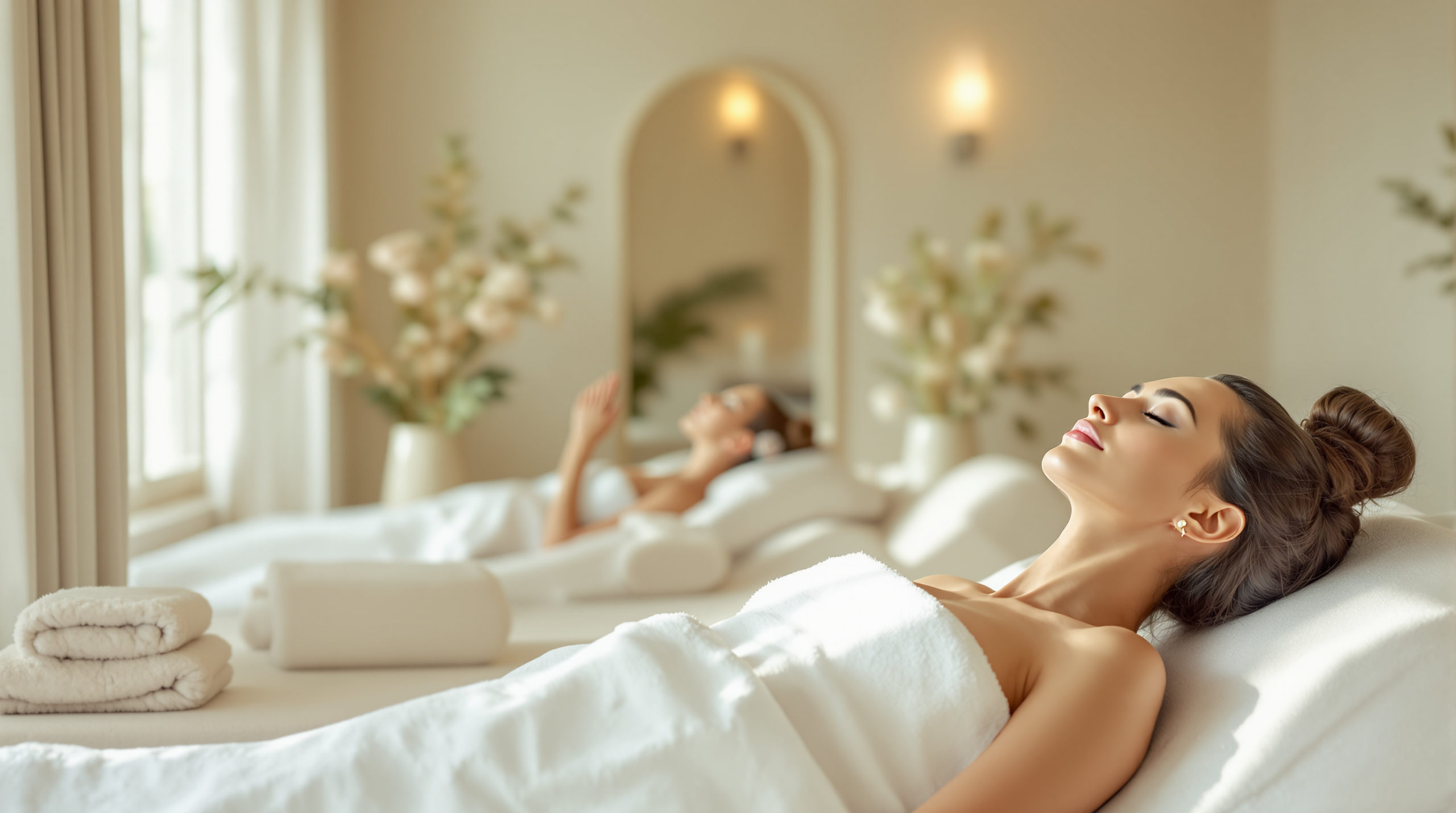
Those attending Hatha yoga classes can expect a series of poses held for extended periods, complemented by guided meditations. This creates a calming environment conducive to unwinding after a long day or week. For an enhanced wellness experience, consider pairing Hatha yoga with a luxury spa day. Explore more about luxury spa days on our detailed guide.
2. Vinyasa Yoga
Vinyasa Yoga, often termed “flow yoga,” is known for its fluid transitions and varying sequences. Unlike Hatha yoga, Vinyasa is a dynamic practice that coordinates movement with breath, allowing practitioners to move smoothly from one posture to the next. This engaging flow helps build endurance and strength, making it an excellent choice for those looking for a more vigorous workout.
Each class can be slightly different, given that there’s no fixed sequence, which offers a fresh and exciting approach to every session. This flexibility attracts individuals who enjoy exploring creativity on the mat while still gaining the benefits of increased cardiovascular health and improved flexibility.
3. Ashtanga Yoga
For those with a desire for discipline and structure, Ashtanga Yoga offers an established series of postures practiced in the same order. This style is physically demanding and requires a certain level of commitment, which can quickly improve strength, flexibility, and overall fitness.
The practice consists of six series, with students often spending years mastering each one. Ashtanga’s vigorous nature promotes a meditative state through synchronized movement and breath, known as “tristana.” This combination not only enhances physical well-being but also supports mental focus and clarity.
If you’re drawn to routine and enjoy working towards specific fitness goals, consider integrating Ashtanga into your routine. After an intense session, you might appreciate relaxing in one of the best Swiss spa hotels. Learn more about luxurious accommodations for holistic wellness on our site’s section on Swiss spa hotels.
4. Bikram Yoga
Bikram Yoga, also known as hot yoga, is practiced in a heated room, typically set to about 105°F (40°C) with 40% humidity. The heat increases flexibility and circulation, helping prevent injuries and facilitating deeper asanas. This style consists of 26 specific postures and two breathing exercises that are repeated in each 90-minute class.
Bikram is perfect for those looking to detoxify the body while building strength and endurance. Participants often enjoy the mental clarity and stress relief that comes with persisting through a challenging, sweat-inducing practice.
However, the intensity of Bikram Yoga is not for everyone. It’s crucial to stay hydrated and listen to your body to prevent overstretching or dehydration.
5. Iyengar Yoga
Iyengar Yoga is a style centered around precision and alignment, named after its founder B.K.S. Iyengar. It emphasizes detail in every pose, using props such as blocks, straps, and walls to aid in achieving proper form and posture. Suitable for all levels, it particularly benefits those recovering from injury or those with physical limitations.
The focus on alignment helps practitioners deeply engage with their body’s mechanics, promoting not just strength and flexibility, but also mental awareness. Iyengar Yoga’s structured approach allows participants the time to truly explore the nuances of each movement.
For individuals who appreciate a meticulous method and enjoy understanding the intricacies of each asana, Iyengar is a rewarding choice. Complement your Iyengar Yoga practice with a luxury wellness retreat to maximize your relaxation and recovery. Explore luxury wellness retreats in 2025.
6. Yin Yoga
Yin Yoga is a slow-paced practice that involves holding poses for extended periods, ranging from 45 seconds to five minutes or more. This style is deeply relaxing and focuses on connective tissues such as ligaments, bones, and joints. Its meditative nature counterbalances more dynamic yoga or pilates practices.
Practicing Yin Yoga enhances circulation and improves flexibility, especially in the hips, knees, and lower spine. It’s particularly beneficial for individuals looking to alleviate stress, improve sleep, and enhance mindfulness in their daily activities.
Embrace the calming qualities of Yin Yoga to better your emotional and physical well-being. If you’re seeking a deeply restorative yoga form that complements a hectic lifestyle, this style offers the tranquility and intensity of mind-body connection necessary for holistic wellness. For more about global approaches to mental well-being, explore the World Health Organization’s resources on mental health.
7. Classical Pilates
Classical Pilates remains true to the teachings of its founder, Joseph Pilates, who designed a system emphasizing core strength, flexibility, and overall body balance. It is rooted in a series of over 500 exercises drawing from calisthenics, yoga, and ballet.
The practice is typically performed on a mat or with specialized equipment like the Reformer, Chair, or Cadillac. The precision and control required in each exercise build endurance and improve posture while enhancing mind-body awareness.
Classical Pilates is suitable for individuals of all fitness levels looking to achieve core stability, simpler movement, and a deeper connection with their physical body. It’s a perfect addition to a fitness regimen focused on strength and dexterity.
8. Contemporary Pilates
Contemporary Pilates is an adaptation of the classical methodology, integrating modern biomechanics and rehabilitation techniques to address diverse individual needs. This style is more flexible, often incorporating elements from other disciplines such as dance and some fitness trends.
It provides a comprehensive workout that can be tailored to improve specific areas such as injury prevention, flexibility, or sport-specific conditioning. Suitable for varied populations, from elite athletes to elderly individuals, Contemporary Pilates adapts to enhance not just physical well-being but also mental resilience.
This personalized approach makes it appealing for those seeking a bespoke fitness experience that evolves with their personal goals. Explore how customized wellness solutions can enhance your lifestyle by visiting more resources on Swiss Lim Co.
Conclusion
Navigating the realm of yoga and pilates can open doors to transformative personal development. Each style offers unique pathways toward achieving optimal wellness – from the meditative embrace of Yin Yoga to the high-energy cadence of Ashtanga. At Swiss Lim Co, we are committed to enhancing your wellness journey through seamless travel solutions. Ready to elevate your experience? Arrange a luxurious ride with our Geneva Airport Transfer service today.
FAQ
Question: What is the primary difference between yoga and Pilates?
Answer: Yoga focuses on flexibility and spirituality, using breath and meditation, while Pilates emphasizes core strength and body control.
Question: Can beginners practice Ashtanga Yoga?
Answer: Yes, but it’s physically demanding. Beginners should proceed at their pace, potentially starting with a few poses and building up gradually.
Question: Is hot yoga suitable for everyone?
Answer: Not necessarily. Those with heat intolerance or cardiovascular issues should consult a doctor before trying Bikram Yoga.
Question: How can I integrate yoga or Pilates into my daily routine?
Answer: Start with short sessions, enhance through online classes, or incorporate them during breaks to gradually make these practices a habit.
Question: Does Iyengar Yoga cater to individuals with injuries?
Answer: Yes, it prioritizes alignment and uses props, making it ideal for those recovering from injuries.
Question: Will Vinyasa Yoga help in weight loss?
Answer: Its energetic flow can aid in burning calories; when combined with a healthy diet, it supports weight loss.
Question: What is the key benefit of Yin Yoga?
Answer: It improves joint health and flexibility through prolonged posture holds, providing a deep sense of relaxation.
Question: Are there Pilates exercises for people with restricted mobility?
Answer: Yes, both classical and contemporary Pilates offer modified exercises suitable for different mobility levels.
Question: How does yoga complement a wellness retreat?
Answer: Yoga enhances the retreat experience by promoting relaxation and mindfulness, complementing therapeutic activities.
Question: Can Contemporary Pilates be customized for athletes?
Answer: Absolutely, it can target sport-specific conditioning to improve performance and prevent injuries.